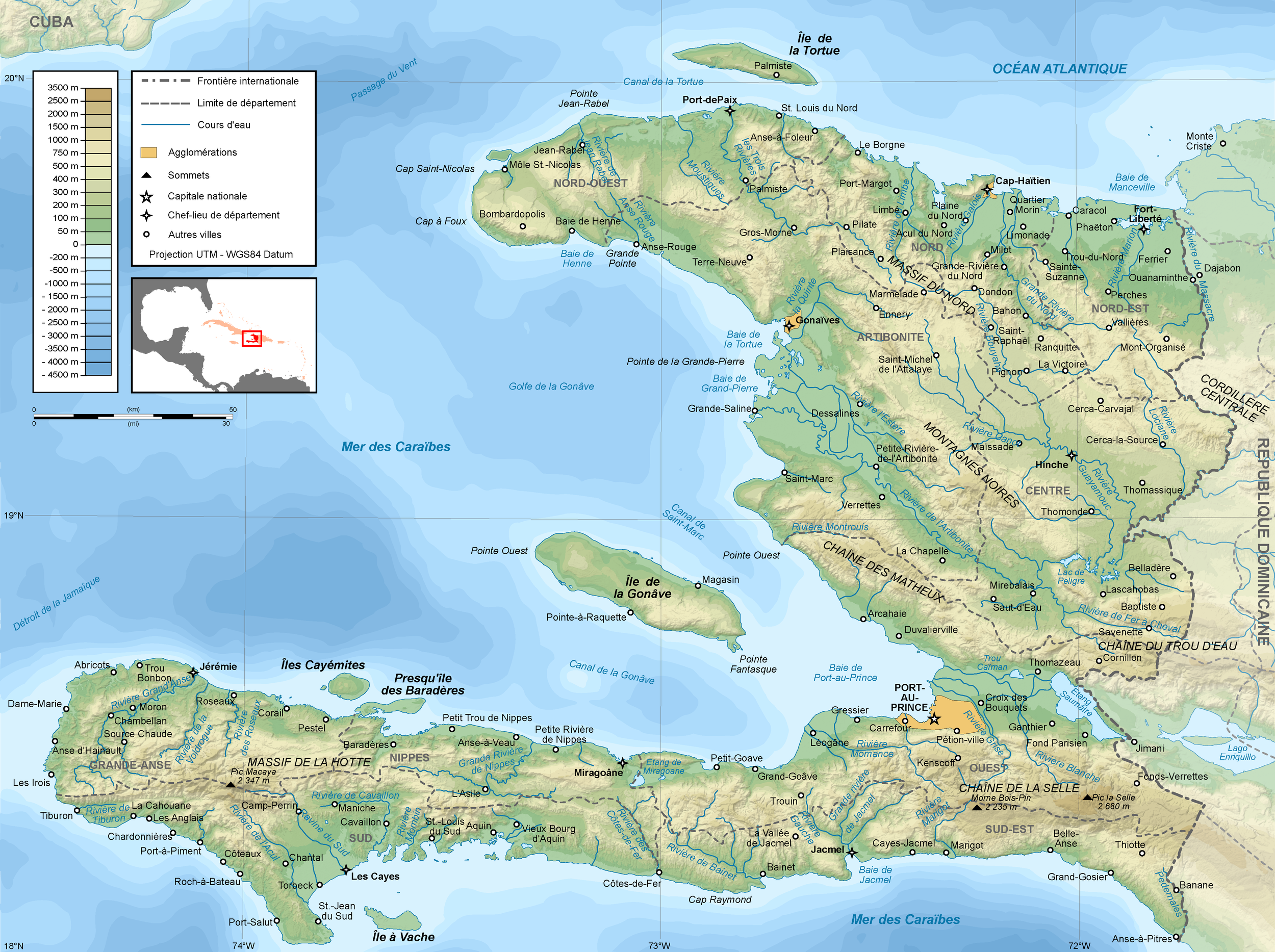
About Haiti
Health
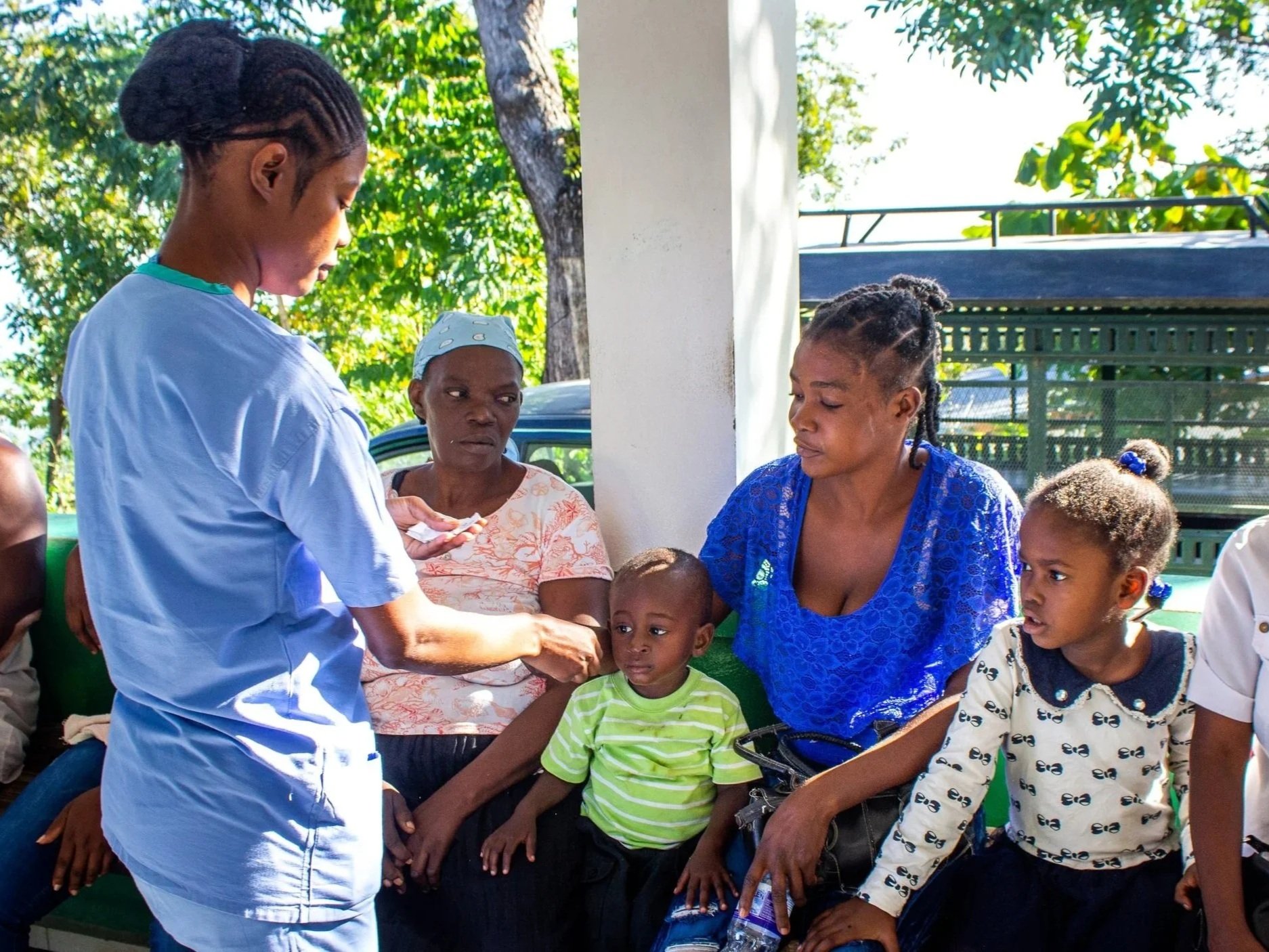
The average life expectancy is 64 years[6]
78% of 15-year-olds will survive to age 60 [7]
19% of the population has access to Primary Healthcare[8]
Only 10% of the population lives within 1 kilometer of a health facility, while 42% of the population must travel more than 10 kilometers to reach the closest basic healthcare center [9]
In 2026, 4.9 million people will be left seeking medical assistance after targeted attacks on medical infrastructure[10]
Maternal Health
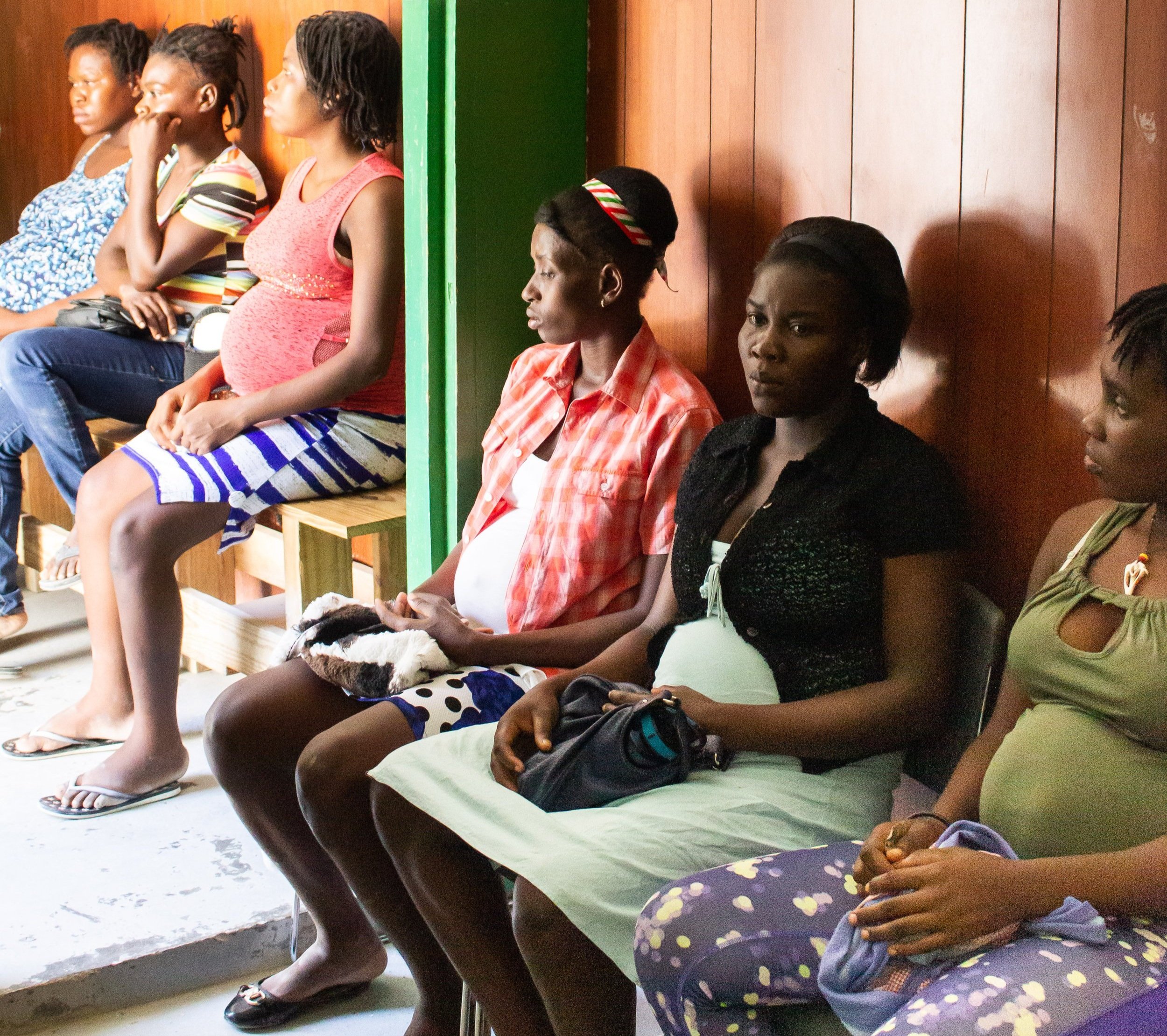
Haiti has the highest maternal death rate of all countries in the Western Hemisphere[11]
One in every 80 women will die from pregnancy or childbirth-related complications [12]
90% of women living in rural areas do not have access to basic maternal healthcare[13]
49-55 births out of every 1,000 are to adolescent girls aged 15-19[14]
63% of women give birth at home, and only 42% of those with a skilled birth attendant [15]
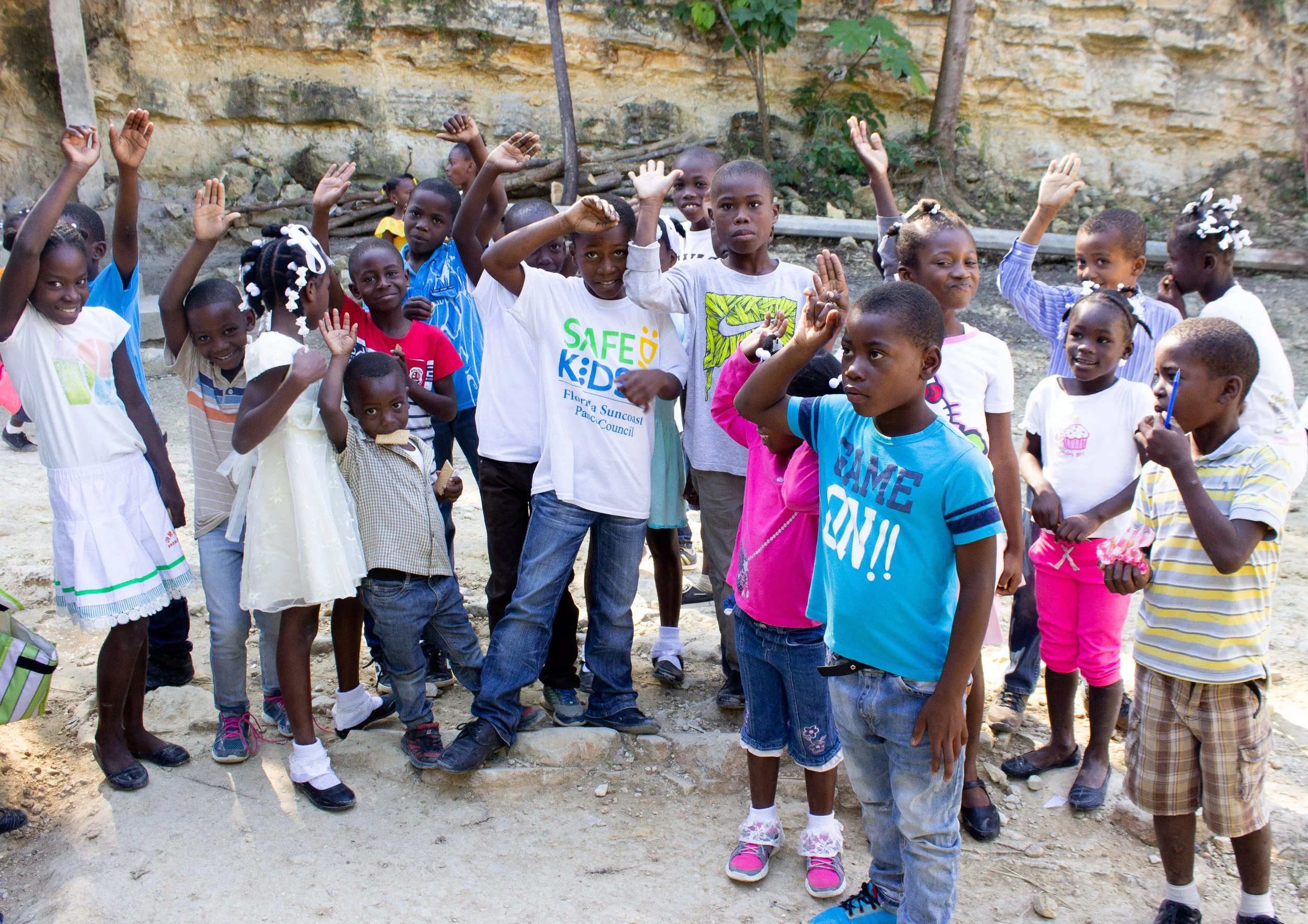
Education
68% literacy rate[20]
2 out of 10 children aged between 6 and 11 do not attend primary school[21]
10% of Haitian students drop out before Grade 6, and 40% drop out before Grade 9[22]
85% of schools are private and charge fees greater than what many families can afford[23]
Less than 1% of Haitians graduate from college[24]
A child born in Haiti today will grow up to be only 45% as productive as they could be if they enjoyed full access to quality education and health care[25]
85% of teachers lack basic qualifications [26]
History and Culture
Haiti is the first independent Black Republic and the first nation founded by formerly enslaved people[27]
Haitian Creole (Kreyòl) is the primary language spoken in Haiti [28]
Haitian cuisine takes inspiration from African, Indigenous, French, and Caribbean traditions[29]
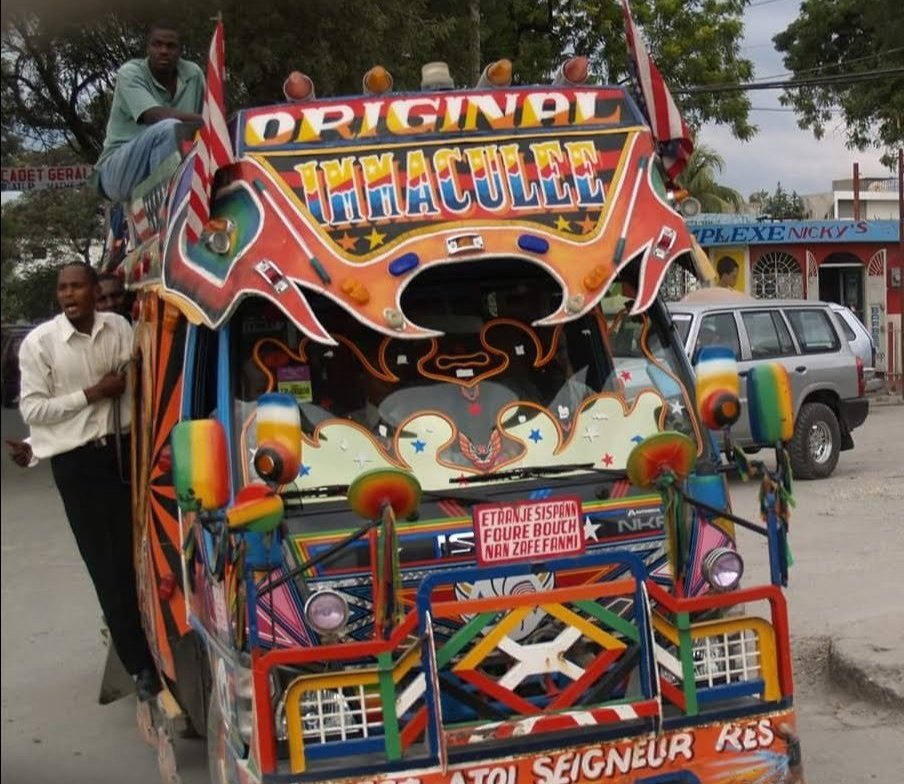
Haiti is famous for vibrant visual arts, notably colorful paintings, recycled-metal sculptures, and intricate Vodou flags [30]
The most well-known genre of Haitian music is Compas (or Konpa), a dance music created in the 1950s that is a blend of African, French, and Spanish traditions[31]
References
[1] US Census Website, [2] Center for Human Rights and Global Justice, [3] Food and Agriculture Organization of the United Nations, [4] Global Energy Alliance, [5] UNICEF, [6] World Bank, [7] UNICEF data, [8] World Bank, [9] National Library of Medicine, [10] Guttmacher Institute, [11] Guttmacher Institute, [12] Pan American Health Organization, [13] United Nations Population Fund, [14] Doctors Without Borders, [15] World Bank Group, [16] National Institutes of Health, UNICEF, [17] World Bank Group, [18] IFAD, [19] World Bank, [20] UNICEF, [21] UNESCO, [23] World Bank, [24] UNESCO, [25] World Bank, [26] U.S. Department of State, [27] Encyclopedia Britannica, [28] Encyclopedia Britannica, [29] Haitian Food Network, [30] Latin American Studies Association, [31] UNESCO, [32] U.S. Department of State, [33] World Bank Group